
Synopsis
We introduce an overview of waste management in Yokohama City.
Implementation Period
Currently on-going
Stakeholders and Partners
Resources and Waste Recycling Bureau of the City of Yokohama
Background, Challenges and Objectives
Reducing environmental burden and making effective use of resources and energy through proper disposal of waste
Actions and Implementation
Since the 1970s, against a background of economic growth and population increase, waste volumes rose, final disposal sites became strained, and strengthening the waste management system became an urgent priority. In response, Yokohama City established the Yokohama City General Waste Management Basic Plan “G30 Plan” in 2002. Through collaboration with citizens and businesses, it promoted thorough waste separation and recycling. As a result, the city achieved a reduction in waste volume of approximately 43%. In addition, the “Yokohama 3R Dream Plan” formulated in 2010 promoted 3R activities and reducing the amount of generated waste. Given the current background of social trends such as the transition to a circular economy and the implementation of a decarbonized society, it is necessary for Yokohama as a city to create a system for responsible resource circulation.
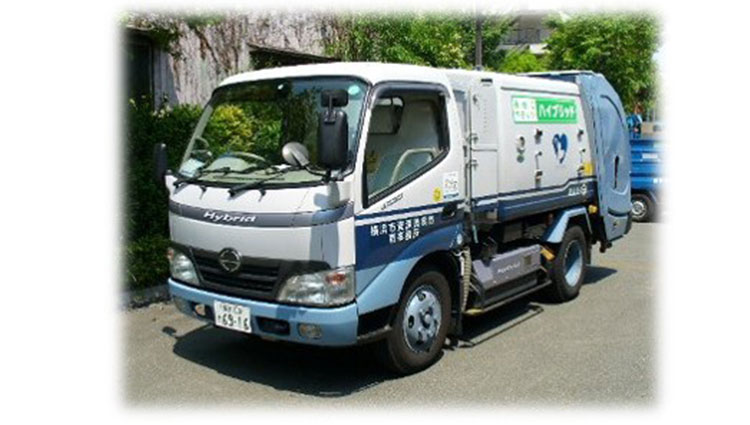
Household waste and recyclables are efficiently collected by the City of Yokohama or its contracted service providers. Citizens sort waste and recyclables by type and properly dispose of them at designated collection sites on specified days and times. Recyclables such as cans, bottles, PET bottles, and used papers are transported to recycling facilities, while non-recyclable combustible waste is sent to incineration plants. Non-combustible waste and incineration ash are transported to final disposal sites for landfill disposal.
Outcomes and Impacts
Under the “G30 Plan,” thorough waste separation and recycling promoted through collaboration with citizens and businesses resulted in a 43% reduction in waste volume over approximately 10 years. This not only extended the lifespan of landfill sites but also achieved significant environmental benefits: cost savings of $1 billion through the closing of two incineration plants and a reduction of 630,000 tons of carbon dioxide emissions. Since then, we have steadily achieved reductions in the volume of waste.
In 2024, new sorting rules expanded the definition of recyclable plastics. Moving forward, through continued collaboration with citizens and businesses, the city aims to further advance waste sorting and recycling—including reducing food waste and tackling plastic waste—while ensuring stable waste collection, transportation, treatment, and disposal. This effort supports the realization of a sustainable, circular society for the future.
More information:
https://www.city.yokohama.lg.jp/lang/overseas/wm/
(Related materials on waste management in Yokohama can be found at the link above.)
Further Information and Media
Video on Yokohama City Waste Management